
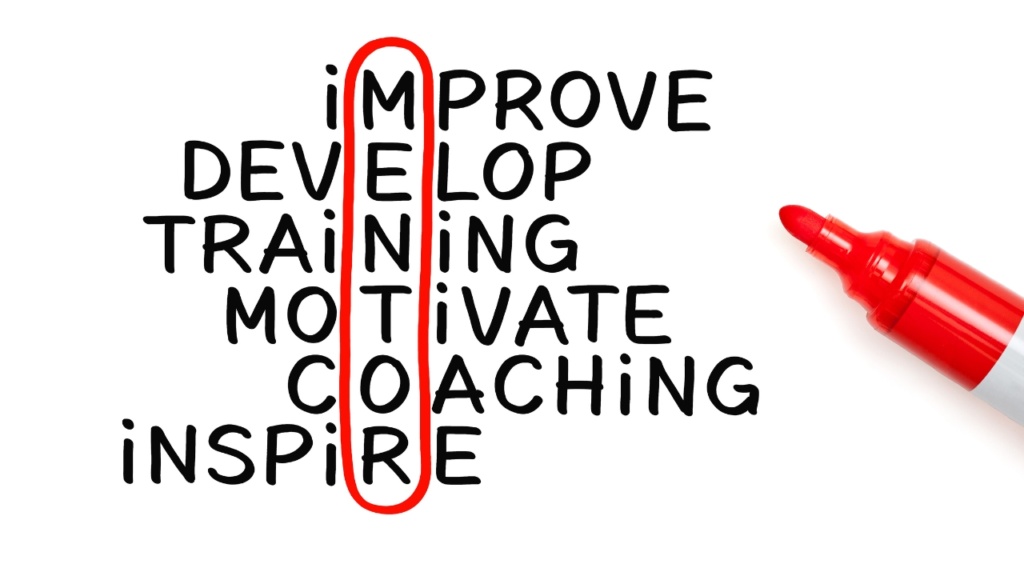
It takes two hands to clap, right? Mentorship is no different – both the mentor and mentee have to play their respective roles well to make it a successful collaboration.
Mentees play a crucial role in the mentoring relationship, as their active participation and engagement are essential for the relationship’s success. Here are some key roles and responsibilities that mentees should embrace in mentoring:
1. Define Goals and Expectations
Set Clear Objectives
Mentees should identify and articulate their personal and professional goals for the mentoring relationship from day 1 as much as possible, so both they and their mentor have a clear understanding of what they want to achieve.
Communicate Expectations
Mentees should discuss their expectations regarding the mentorship process and what they hope to gain from it.
2. Take Initiative
Lead the Relationship
Mentees should be proactive in scheduling meetings, preparing agendas, and following up on discussions. Taking the lead demonstrates commitment to their own development.
Seek Opportunities
Look for areas where they can engage with their mentor, such as seeking advice on specific challenges or asking for feedback on work-related tasks.
3. Be Open to Feedback
Receive Constructive Criticism
Mentees should approach feedback with an open mind, understanding that constructive criticism is a valuable part of growth and improvement.
Act on Suggestions
Dreams without actions are only dreams. Taking actionable steps based on the mentor’s feedback shows that the mentee values the mentor’s insights and is committed to their development.
4. Engage in Self-Reflection
Reflect on Progress
Regularly assess their growth, behaviours, and development progress. Self-reflection helps mentees understand what strategies are working, what aren’t, and where they need to focus more attention.
Identify Strengths and Areas for Improvement
Being self-aware enables mentees to better recognise their own capabilities and areas where they need further development.
5. Build a Trusting Relationship
Establish Rapport
Mentees should work to create a comfortable environment for open communication by being respectful, honest, and authentic with their mentor.
Share Experiences and Challenges
Providing insight into their own experiences helps mentors understand their mentees better and offer tailored advice.
6. Commit to Learning
Embrace a Growth Mindset
Mentees should adopt a mindset focused on continuous learning and development, being willing to explore new ideas and approaches.
Be Curious
Ask questions and seek clarification on topics of interest. Curiosity can lead to deeper insights and richer discussions with the mentor.
7. Be Respectful of the Mentor’s Time
Be Prepared
Come to meetings with specific questions or topics to discuss, making the most of the mentor’s time.
Be Punctual
Respecting the agreed-upon time for meetings demonstrates professionalism and appreciation for the mentor’s commitment.
8. Network and Build Relationships
Leverage the Mentor’s Network
Mentees may seek introductions to others within their mentor’s professional network, fostering connections that may be valuable for their career.
Seek Additional Resources
In addition to the mentor’s guidance, mentees should look for additional learning opportunities or resources to complement their mentoring experience.
9. Evaluate Progress and Adapt
Monitor Goals
Regularly assess whether they are on track to meet their stated goals and adjust their strategies if necessary.
Provide Feedback to the Mentor
Sharing what has been helpful or what can be improved in the mentorship allows the mentor to adjust their approach and support more effectively.
10. Show Appreciation
Acknowledge the mentor’s time, effort, and contributions to their development. Simple gestures of appreciation can bolster the relationship and encourage continued support.
Conclusion
Mentees have a vital role in shaping the mentoring relationship. By defining their goals, taking the initiative, being receptive to feedback, and actively engaging in self-reflection, mentees can make the most of their mentoring experience. A strong commitment to learning, respect for the mentor’s time, and an attitude of gratitude will help them optimize the benefits of mentorship.
